Dark spots, acne marks, melasma, or uneven skin tone can make your complexion look dull and uneven, and simply changing your skincare products doesn’t always solve the problem. Since pigmentation can develop for different reasons, identifying its underlying cause is the first step towards effective treatment.
At Skinroots Clinic, we offer personalised pigmentation treatment based on your skin type, pigmentation pattern, and its underlying cause. Whether you're looking for the Best Pigmentation Treatment in Delhi or Raipur, our dermatologists may recommend advanced options such as medical skincare, chemical peels, or laser therapy to help restore a clearer, more even-toned complexion.
Pigmentation is the colour of your skin, determined by the natural pigment known as melanin produced by the special skin cells called melanocytes. Sometimes these cells start producing excess melanin, causing patches of the skin to appear darker, called hyperpigmentation, or lighter, known as hypopigmentation, than the normal skin tone.
Pigmentation can affect any gender or age, but the positive side is that most uneven skin concerns are effectively managed at the Skinroots Clinic with the help of advanced pigmentation removal treatment and an AIIMS-trained dermatologist.
Not every dark spot is the same; thus, they are classified into different types. Skinroots Clinic diagnoses each type of pigmentation to achieve clearer skin.
Melasma is a common skin pigmentation condition that results in symmetrical brown or grey patches on the face. It commonly affects:
Since melasma may appear again, a customized treatment plan and strict sun protection are essential for its treatment.
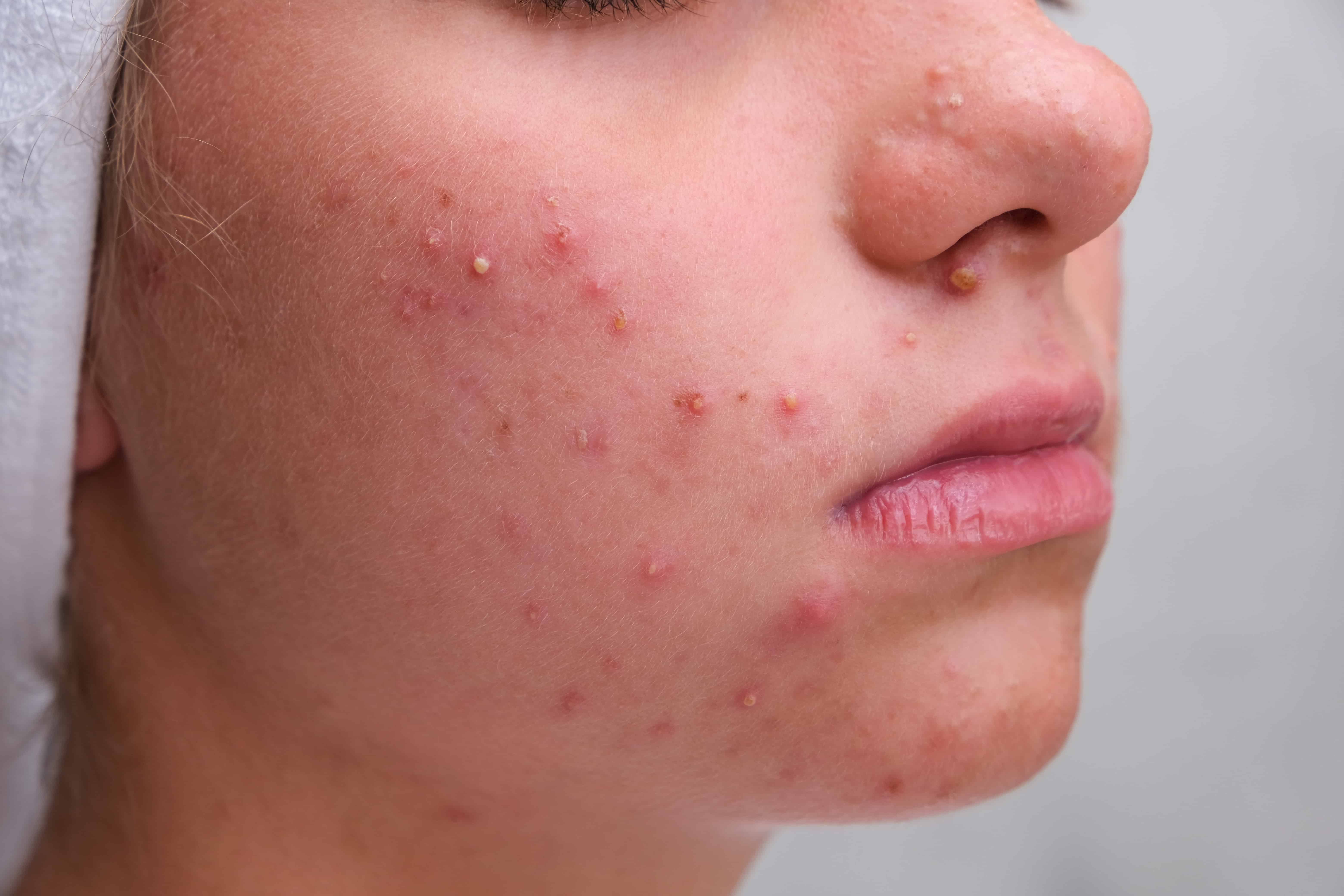
Post-inflammatory hyperpigmentation is a darkening of the skin that occurs after the skin heals from:
Once the inflammation or injury subsides, excess melanin remains behind, leaving the dark marks that can persist for months if left untreated.
At Skinroots Clinic, we often combine hyperpigmentation treatment with Acne Treatment or acne Scar treatment for the patient dealing with acne-related pigmentation. Such a blend of treatments gives comprehensive skin improvement.
These are the flat dark patches that develop due to prolonged exposure to UV rays. Also known as solar lentigines or liver spots, they commonly appear in the sun-exposed areas like:
Although harmless, they can make the skin appear prematurely aged.
Freckles are small pigmented areas caused by a combination of genetics and sunlight. They usually appear on:
Commonly found in people with lighter skin tones, they are harmless, but many individuals choose to undergo treatment for cosmetic reasons.
Skin tone becomes uneven when pigmentation appears as widespread dullness rather than isolated spots. It can result from:
Understanding the reason behind pigmentation helps in making an effective treatment plan. Here are some of the causes mentioned:
One of the most common causes of pigmentation is excessive sun exposure. Ultraviolet rays can trigger excess melanin production as a natural defence mechanism, causing sunspots, tanning, and uneven pigmentation on face.
Fluctuations in hormones during pregnancy, thyroid disorders, menopause, or taking birth control pills can increase the production of melanin, making the skin appear darker.
Conditions like eczema, acne, allergic reactions, skin injuries, or insect bites can trigger excess melanin production that leaves dark marks behind as the skin starts to heal.
Such pigmentation can persist for months if not treated properly.
As age increases, especially after 35, the skin becomes more vulnerable to the effects of sun exposure and changes in melanin production. Gradually, it leads to age spots, sunspots, and an uneven skin tone.
Some individuals naturally produce more melanin due to a stronger genetic tendency, making the skin more vulnerable to developing pigmentation, freckles, or uneven skin tone.
Some lifestyle factors like pollution, stress, unhealthy skincare habits, and excessive sun exposure may contribute to pigmentation.
Many people consider all dark spots the same. But each dark spot has a different cause and requires a different treatment approach.
|
CONCERN |
CAUSE |
APPEARANCE |
TREATMENT APPROACH |
|
Pigmentation |
Excess melanin production |
Dark spots or uneven patches |
Depends on the underlying cause |
|
Melasma |
Hormonal changes + sun exposure |
Symmetrical brown patches |
Combination therapy with maintenance |
|
Tanning |
UV-induced temporary darkening |
Overall darker complexion |
Sun protection, exfoliation, and skin rejuvenation |
At Skinroots Clinic, our best pigmentation doctor determines whether you need good skincare, Pigmentation Laser Treatment in Delhi, or more advanced procedures like a chemical peel for hyperpigmentation.
You should consider visiting the best pigmentation clinic in Delhi or Raipur if you notice:
Seeking timely Pigmentation Treatment Near Me often leads to faster and more effective results.
Preparing the skin before the pigmentation removal treatment not only reduces the risk of unnecessary skin irritation but also improves the result. Our dermatologist may advise:
Following this advice before the treatment allows the skin to respond in a better way.
No skin condition is the same, which is why no single treatment will work for everyone. Here are the pigmentation removal treatment options that we provide at Skinroots Clinic that target the root cause and ensure healthy and radiant-looking skin.
The first line of pigmentation removal treatment is the clinical skincare solution, where our top pigmentation doctor often prescribes topical medications that help reduce melanin production and improve skin renewal. Some of the medical treatments may include:
Unlike over-the-counter products, prescription treatments are closely monitored by doctors to minimize dark spots on the face or other areas of the body.
Another best pigmentation treatment in Delhi is chemical peels, where specially formulated solutions are applied to the face to remove the damaged outer layer of the skin. As healthy skin cells replace the older pigmented layers, the complexion becomes brighter and smoother. Each peel is selected based on your skin concern. Some of them are mentioned below:
Another dermatologist-recommended treatment option for stubborn pigmentation is laser therapy, where modern laser technologies like Q-Switched Nd: YAG Laser, Fractional CO? Laser, or Pico Laser Technology target the excess melanin deposits in the skin and break them down without damaging the surrounding tissues. This helps in improving:
At Skinroots Clinic, our dermatologist carefully evaluates your skin to determine whether pigmentation laser treatment is suitable for you or not. However, the procedure is quick and safe.
The next best treatment for pigmentation on face is microneedling, where the special microneedling device with fine, sterile needles is gently moved over the pigmented area to create microchannels in the skin. This helps in:
One of the non-invasive skin resurfacing treatments is Microdermabrasion, where a diamond tip wand or fine crystals with suction is used to remove the outer layer of dead skin that contains excessive melanin. This helps stimulate the renewal of the skin and promotes a more even skin tone.
Another advanced hyperpigmentation treatment offered by Skinroots is Cryotherapy, where liquid nitrogen (-196°C) is applied to the skin to freeze and destroy the pigmented cells. As the skin heals, the damaged pigmented cells are shed and gradually replaced with new skin.
At Skinroots Clinic, we combine multiple therapies to target the pigmentation from different angles. The combination therapy may include:
Such a combination approach not only reduces the pigmentation but also reduces the chances of recurrence.
At Skinroots Clinic, our dermatologist accurately diagnoses your pigmentation and then recommends the treatment plan. However, here is a quick guide to help you understand which option can work best for your skin condition.
|
IF YOU HAVE |
RECOMMENDED PIGMENTATION TREATMENT |
BEST FOR |
|
Melasma (Hormonal Pigmentation) |
Medical Treatment, Chemical Peels, Laser Therapy, Combination Therapy |
Stubborn and recurring pigmentation |
|
Acne Marks (PIH) |
Microneedling, Chemical Peels, Medical Treatment |
Post-acne dark spots and uneven skin tone |
|
Sun Spots & Age Spots |
Cryotherapy, Laser Therapy, Chemical Peels |
Sun-induced pigmentation and age-related spots |
|
Freckles |
Laser Therapy |
Reducing excess pigmentation with precision |
|
Uneven Skin Tone & Dull Skin |
Microdermabrasion, Chemical Peels |
Brighter, smoother, and more radiant skin |
|
Mild Pigmentation |
Medical Treatment, Microdermabrasion |
Early-stage pigmentation and minor dark spots |
|
Deep or Stubborn Pigmentation |
Laser Therapy, Combination Therapy |
Long-standing or difficult-to-treat pigmentation |
|
Pigmentation That Keeps Coming Back |
Combination Therapy |
Long-term pigmentation management and prevention |
Social media is filled with many DIY Hacks like lemon juice, toothpaste, baking soda, or harsh scrubs. But such home remedies for pigmentation only provide temporary relief rather than treating the root cause.
That is why a professional face pigmentation treatment is crucial for a sustainable solution. At Skinroots Clinic, every dark spot treatment improves overall skin health while lessening the chances of their recurrence.
In fact, for patients who are experiencing open pores, dullness, or uneven skin texture along with pigmentation, our Top Pigmentation Dermatologist in Delhi also offers advanced treatments like Chemical Peels, Hydrafacial, or laser skin resurfacing.
Your journey toward an even skin tone will begin with a detailed consultation at Skinroots Clinic. During your one-on-one consultation with our skin specialist, you can expect the following things:
Our doctors will begin by understanding your medical history, changes in hormones, and previous skin treatment.
Then our dermatologist will examine your skin to determine the type, depth, and cause of the pigmentation.
Skinroots follows a patient-centric approach; thus, we carefully listen to your skin concern, treatment expectations, and desired outcomes.
Based on your skin concern, we explain the most suitable pigmentation options, expected results, estimated number of sessions, and the aftercare instructions to help you make an informed decision.
Your pigmentation journey does not end with the professional face pigmentation treatment, but proper aftercare is also pivotal for maintaining the results. Follow some aftercare tips given below, recommended by our Top Skin Specialist, to achieve optimal results.
Some healthy lifestyle changes combined with dermatologist-recommended skincare can significantly reduce the risk of pigmentation recurrence.
The number of sessions needed for pigmentation varies from person to person. However, some factors that influence the number of sessions are:
Here is the table that gives the estimated average number of sessions required by a patient:
|
SEVERITY OF PIGMENTATION |
AVERAGE NUMBER OF SESSIONS |
|
Mild Pigmentation |
2–4 sessions |
|
Moderate Pigmentation |
4–6 sessions |
|
Severe or Deep Pigmentation |
6–8 sessions |
|
Stubborn or Recurrent Pigmentation (e.g., Melasma) |
8–10+ sessions |
|
Maintenance Sessions |
Every 3–6 months (if recommended) |
The exact number of sessions can only be determined after having a consultation with our top pigmentation doctors at Skinroots Clinic.
Professional treatments work best when combined with the right skin care for hyperpigmentation. A consistent skincare routine helps maintain results, strengthens the skin barrier, and prevents new pigmentation from developing. Your dermatologist may recommend:
Avoid using random skincare products without professional guidance, as harsh ingredients can irritate the skin and worsen pigmentation.
For patients looking to improve overall skin health and hydration alongside pigmentation treatment for face, procedures such as HydraFacial can complement your dermatologist-recommended skincare routine by enhancing skin hydration and radiance.
On average, the cost of pigmentation treatment in India ranges from Rs. 2,000 to Rs. 15,000 per session. However, as individual skin is different, the overall investment depends on the following factors:
Different pigmentation concerns require different treatment approaches. Here is an overview of the average Cost of Pigmentation Treatment in Delhi:
|
TREATMENT |
AVERAGE COST IN DELHI |
|
Medical Treatment |
Rs. 1,000 – Rs. 5,000 |
|
Chemical Peel |
Rs. 3,000 – Rs. 8,000 per session |
|
Laser Therapy |
Rs. 3,500 – Rs. 15,000 per session |
|
Microneedling |
Rs. 4,000 – Rs. 10,000 per session |
|
Combination Treatment |
Rs. 10,000 – Rs. 30,000 |
During the consultation at Skinroots Clinic, our dermatologist provides the estimated treatment cost that is especially tailored to your skin’s unique needs.
Many people unknowingly make mistakes that make their pigmentation worse. Here are some of the common mistakes that can aggravate the situation:
Such mistakes may seem small, but if pursued for a longer time can negatively impact the pigmentation condition.
The right clinic plays a pivotal role in delivering the most satisfying result. Here is why Skinroots Clinic is the Best Clinic for Pigmentation Treatment in Raipur and Delhi:
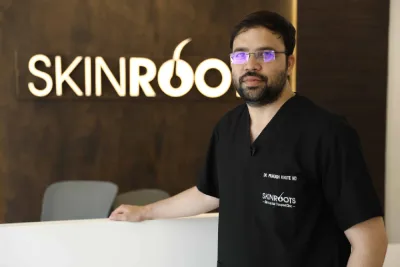
Dr. Prakash Kumar Khute has received his training from the best hospital in India, AIIMS. His experience and expertise deliver the best results for every pigmentation therapy.
We use modern dermatological procedures, laser technology, and collagen-stimulating techniques that are especially designed to deliver safe and reliable outcomes.
We believe in uniqueness. When every skin condition is different, so are the needs of varied treatments. We personalise every pigmentation reduction treatment based on your skin condition and pigmentation pattern instead of following a standard protocol.
With 15+ years of experience and 80,000 happy patients, we are committed to delivering trusted dermatology care in India.
Every procedure at our clinic follows strict clinical protocols to ensure patient safety and comfort.
Our hyperpigmentation treatments are carefully planned to restore a natural skin texture, aiming for an even skin tone and improved skin complexion.
With convenient locations at:
Patients can access dermatological care closer to their home.
At Skinroots Clinic, we focus on treating the root cause of pigmentation while improving your overall skin health.
Healthy, even-toned skin begins with the right diagnosis and a personalised treatment plan. At Skinroots Clinic, we are committed to providing advanced pigmentation treatment that is tailored to your skin's unique needs.
Whether you're struggling with melasma, acne marks, sunspots, freckles, or uneven skin tone, our experienced dermatologists are here to help you achieve clearer, healthier, and more radiant skin.
Visit Skinroots Clinic in Delhi or Raipur to begin your journey towards brighter, more confident skin with expert dermatological care.
Pigmentation treatment in Delhi typically costs Rs. 2,000 to Rs. 15,000 per session, depending on the treatment, the severity of pigmentation, and the number of sessions required.
Pigmentation can be permanently removed by identifying the root cause and doing the diagnosis properly. At Skinroots Clinic, our advanced pigmentation removal treatment combined with medical skincare offers the best long-term solutions.
There is no single treatment that works for everyone. However, laser treatment is ideal for sunspots, chemical peels are suitable for superficial pigmentation, and combination therapies are often recommended for PIH and Melasma.
No, a regular facial can improve skin brightness but cannot improve pigmentation. For treating excessive melasma, Skinroots Clinic provides an advanced pigmentation removal treatment that delivers long-lasting results.
The best creams for pigmentation contain ingredients like hydroquinone, azelaic acid, retinoids, or kojic acid. However, dermatologists only recommend these creams after identifying the cause of the pigmentation.
Dr. Prakash Kumar Khute is considered the best doctor for pigmentation treatment. Having taken training from AIIMS, he is known for providing advanced technology along with the most satisfying results.
Yes, post-inflammatory pigmentation and sun spots can often be treated permanently. On the other hand, melasma has the chance of recurrence if not provided enough maintenance and sun protection.
The laser pigmentation removal cost typically ranges from Rs. 2,000 to Rs. 15,000 per session, depending on the type of laser used, the size of the treatment area, and the severity of pigmentation.