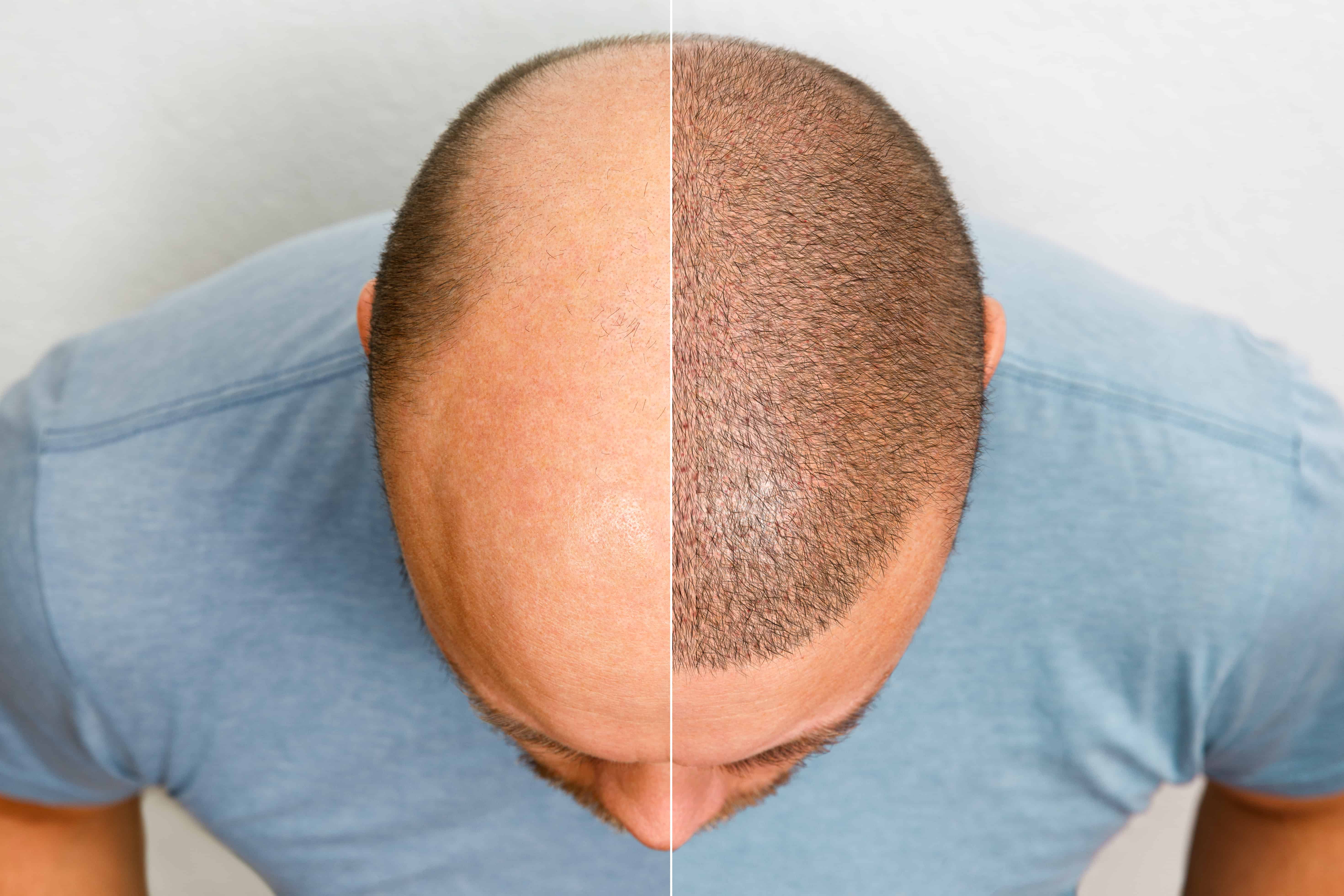
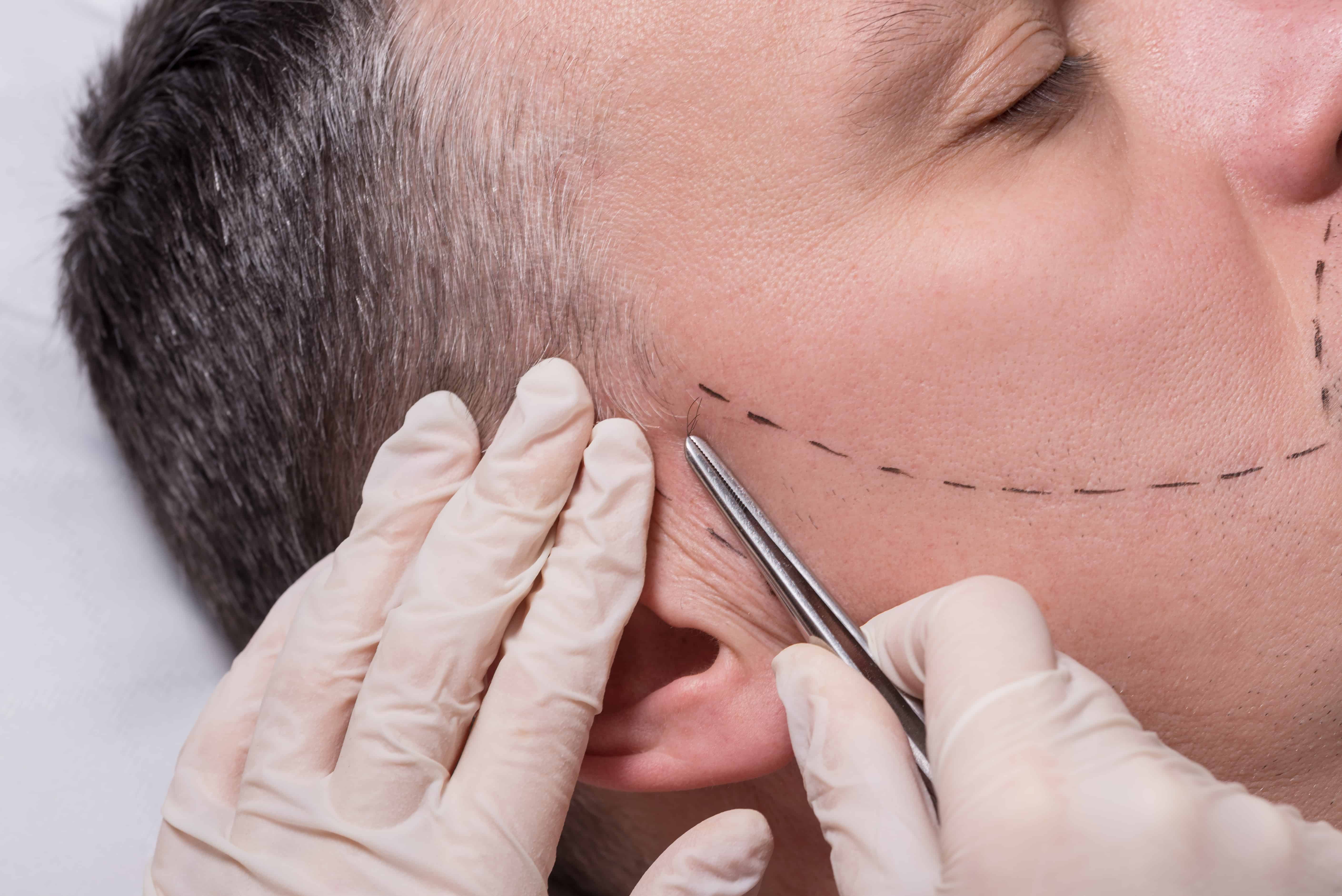
A Hair Transplant is a surgical procedure designed to grow the hair that is affected by baldness or thinning. Basically, it involves extracting the hair from the donor area, which is usually the sides or back of the scalp, and these extracted hairs are then replanted to the area where hair density is low. These donor areas are genetically resistant to hair loss, which allows the hair to grow even after being transplanted.
There can be various causes for hair loss like genetic factors, hormonal imbalance, stress, medical conditions, or injuries to the scalp. No matter what causes the hair loss, thinning of the hair or baldness is a major issue that can affect your confidence and how you perceive yourself. At the same time, it is not a perennial problem that cannot be cured. On the other hand, hair transplant, a natural-looking solution, offers a long-term solution to hair loss for individuals who want to regain their hair density with a natural look.
Below are the detailed hair transplant techniques that aid in achieving natural and long-term results. Each method differs in terms of density outcomes, process of extraction, implantation technique and recovery time.
FUE, or the Follicular Unit Extraction Method, is one of the most popular hair transplantation techniques, where the hair follicles of an individual are implanted in the bald or thinning regions. These hair follicles are taken from the donor area, usually from the side or the back of the scalp, as these are the stable hair zone.
Advantages of FUE hair treatment:
FUE are preferred by those patients who are looking for a hair restoration procedure that is safe, hygienic, and requires less time to return to their daily activities.
Direct Hair Transplant is an advanced form of FUE, where the grafts that are extracted are implanted directly into the scalp with the help of a special implanter tool. This technique allows better control in depth, angle and direction of the hair placement, giving an edge in graft survival and eventually leading to better and enhanced results.
Benefits of DHT
DHT is recommended for individuals who require detailed front hairline reconstruction or want to boost the density.
Fut hair transplant is one of the traditional hair implant methods, which is also called the Strip Method. In this technique, a thin strip of the scalp is removed from the donor area. These hair grafts are then carefully separated under the microscope to replant them to a recipient area or the bald area.
Key features of FUT
FUT is generally suggested to candidates who are suffering from advanced hair loss and need maximum graft coverage in one setting. However, with other modern techniques, like FUE and FUT, nowadays many patients prefer techniques that leave less visible scars.
Sapphire FUE hair transplant is a next-generation form of traditional FUE. In this method, hair follicles are extracted, as in the case of conventional FUE, but the recipient channels are created using sapphire blades instead of steel blades. These blades facilitate sharp and intricate cuts.
Key Features of Sapphire FUE:
Sapphire FUE is more suited to people looking for precision and density.
Robotic hair transplant is a tech-assisted version of the FUE procedure. This technique involves a robotised system for the detection, selection, and removal of normal hair follicles from the donor site with better precision and accuracy.
Key Features of Robotic Hair Transplantation:
The use of this technique is useful for patients who need advanced technology and highly accurate graft harvesting.
Boost FUE hair transplant is an advanced version of the conventional method in FUE, which is a further improvement on FUE surgery. Under this approach, hair follicles are removed individually from the donor site and implanted to boost graft survival, density and outcome with enhanced techniques, respectively. Some clinics may integrate advanced tools, advanced implantation methods, or supporting therapeutics to "boost" the ultimate outcome.
Benefits of Boost FUE:
Boost FUE is appropriate for those desiring higher density results or overall hair restoration.
The Hair transplant is a cosmetic procedure but the Best hair transplant clinic is always guided by standard operative medical protocol performed employing advanced hair transplant technique to achieve natural hair growth which is also sustained for a longer time. Here is the step-by-step breakup of how the procedure of hair transplant is carried out.

The treatment begins with extensive consultation with the best dermatologist for hair, who checks your hair density, strength of the donor area, scalp condition and the pattern of hair loss. During this comprehensive consultation, your medical history will also be reviewed, and realistic expectations will be meticulously discussed with the best hair transplant doctor. Based on the above evaluation, the most suitable techniques and the required number of grafts are decided.
After the consultation, the second step is designing a careful and natural hairline based on the age, facial features and previous hair pattern. This step is important as the final appearance depends on the proper planning and symmetry. And once the hairline design is done and approved by the patient, the treatment plan is then finalised.
Next in the line of hair restoration procedure is giving a local anaesthesia to a patient to both the donor and the recipient area. The whole process is less invasive, in which the patient remain awaked and relaxed throughout the surgery.
Once the anaesthesia is administered into the patient’s scalp, the healthy hair follicles are extracted from the back and the side of the scalp, as these areas are genetically resistant. On the other hand, in the Fue hair surgery, the individual follicle unit is taken carefully to avoid visible scarring.
The extracted follicles are then examined and kept in a controlled environment to maintain their strength. For the natural placement, each graft is sorted according to the number of hair strands. This step basically involves preparing the graft for further inclusion in the recipient area.
Tiny micro-incisions are created in the thinning or bald areas. The angle, depth, and direction of these incisions are carefully planned to ensure natural hair growth.
This is the most critical step, as the prepared grafts are expertly implanted into the recipient sites. Scalp grafting requires precision to achieve the natural density and proper alignment with the surrounding area.
After successful implantation of hair grafts, the scalp is cleaned properly, and post-procedure instructions are given to the patient, such as how to wash the head, precautions to support healing, and guidance on medications. Mild redness or scabbing may occur, but the new hair growth can be seen within a few months by the patient.
Hair Transplant is one of the most reliable and long-term solutions for hair loss, as it not only restores the hair from the bald regions but also brings back the individual’s confidence and overall appearance. Here are the key benefits of hair transplant surgery
Baldness treatment uses your own hair follicles from the area that is genetically resistant to hair fall, and once transplanted it continue to grow naturally for a lifetime.
During the natural hair transplant procedures, modern and advanced methods are used, like FUT and FUE, that ensure the accuracy in the angle and direction where the hair is transplanted, creating a natural hairline and realistic density.
The hair growth surgery increases the coverage of hair around the thin and bald regions, which gives a thicker look.
Frequent loss of hair can result in less confidence as well as affect your self-esteem. But with the help of a hair regrowth procedure, you can restore the hair, which can significantly improve your personality, confidence and overall appearance.
The methods require minimal maintenance, and the hair transplant cost is low as well. Following the successful hair transplant surgery, the transplanted hair will naturally continue to grow. So you can style or wash your hair without any special maintenance routine.
In order to promote the effective, precise practice of hair surgery, advanced hair restoration technology is safe and non-invasive. Done under local anaesthesia, with minimal discomfort and a faster healing time.
Unlike temporary treatments or medications that require continuous spending, a permanent hair transplant therapy is a one-time investment with long-term benefits.
A hair transplant is a minor surgical procedure that is completed within one or two days. But after the treatment, proper recovery and aftercare are essential for achieving the natural and long-lasting results. The healing phase lasts for several weeks, and thus understanding each phase is pivotal to carefully protecting the transplanted grafts and supporting healthy hair growth.
Right after the hair follicle surgery, symptoms like swelling, mild redness and small crusts around the transplanted area are normal. The donor area may also give a slight tightness or discomfort. But these effects usually settle within a few days.
During this healing phase:
The transplanted follicles are weak and need protection, which is why the first seven days are crucial for the graft survival. To ensure high graft survival:
Prevent heavy workouts and direct sun exposure.
Do not wear helmets or tight caps
Wash your scalp gently
Resist smoking or drinking alcohol, as that can slow the process of healing.
The most significant thing is that Scabs typically fall off naturally within 7- 10 days. Do not pick them.
This phase is known as the shock phase, as around the second or third week, there will be shedding of the transplanted hair, but the hair follicle remains under the skin securely. This is a temporary and natural phase that should not be a cause of concern. And this is completely natural. The new hair growth usually begins after three to four months.
When you enter the third month after your hair transplant treatment, you can see the tiny and uneven hair strands. Over the next few months, the density and thickness of hair will improve, and as you hit the sixth month, hair improvement will become more noticeable.
Within nine to twelve months, full results are generally seen, where the hair density and hair texture blend with the existing hair, giving a fuller hair look.
A hair transplant is one of the most effective long-term solutions for hair loss, helping restore natural hair growth and confidence. However, the success of a hair transplant surgery depends on proper planning, medical evaluation, and choosing the right approach. Many factors can significantly impact hair implant results, safety, and satisfaction before and after the treatment.
From identifying the type and cause of hair loss to assessing donor area quality and selecting an experienced surgeon, every step plays a crucial role in achieving natural-looking outcomes. Setting realistic expectations of hair transplant recovery time and post-transplant outcomes is equally vital to have an easy and successful process. Our guide outlines the key factors needed to make an informed and confident decision before a hair grafting procedure.
Not every type of hair loss can be treated simply with a hair growth surgery. For example, if the causes of hair loss can be stress, an imbalance in hormones, a medical condition, or a nutritional deficit. Then, in such cases, these issues should be treated first. The hair regrowth procedure works best when the candidate is experiencing androgenetic alopecia or pattern baldness. A proper medical evaluation aids in understanding whether you are a suitable candidate for a hair transplant or not.
Age is another important factor before undergoing a surgical hair restoration process, as young individuals continue to experience hair loss, which can cause the thinning of hair even after the surgery. Ideally, hair loss must be constant before planning the procedure; only then one can achieve a natural-looking and long-lasting result.
Much of the success of a hair follicle surgery can be attributed to the donor area (which includes the back and sides of the scalp). Hence, intact dense hair follicles in this section increase the density and thereby graft survival. If the donor area has little hair, it can limit the number of grafts that can be put in.
Good health in general is important for a safe hair transplant. Uncontrolled diabetes, bleeding disorders, or heart disease, among other conditions, could cause surgical risks. Always inform your doctor about:
These thorough consultations guarantee safe treatment for hair.
Hair regrowth surgery does help with hair density, but it doesn’t give you back the same amount of hair you lost in your teenage years. Visible hair growth starts within 3–4 months, and full results are seen within 9–12 months. Being informed about realistic hair transplant expectations allows us to avoid disappointment.
Having an experienced and qualified surgeon is one of the key factors. Look for:
Graft survival and natural-looking outcomes are determined to a large extent by whether the surgeon is competent.
Different techniques are used in natural hair transplant treatment, including:
The choice of technique depends on your hair type, degree of baldness, and personal objectives.
Healthy lifestyle habits help in making better recovery and outcomes. Prior to undergoing a hair transplant:
These, in turn, favour proper healing and graft growth.
Hair surgery is primarily considered a cosmetic procedure and may not be covered by insurance. Think about the overall cost of hair transplant before going for a treatment, including:
Planning financially in advance is crucial for a smooth experience.
The single biggest consideration when you decide on a female hair transplant and male hair transplant is choosing the right clinic. Skinroots Clinic offers a unique style of medical experience and treatment with cutting-edge technology. Below are the key points why you must choose Skinroots Clinic in your hair transplant journey.
All procedures are performed under the supervision of experienced specialists with advanced hair restoration techniques. Every graft is implanted correctly, being angled and directed with proper density, for the hair to leave and appear completely natural.
We provide the latest methods like FUE Hair Transplant, DHT Hair Transplant, FUT Hair Transplant and many more. This means we can recommend the most appropriate treatment method according to the stage of hair loss, the donor area strength and the ideal coverage that you prefer.
We personalised the treatment based on the planning for our client. We are a hair transplant clinic, not only in Delhi but also in Raipur. In both centres, we do scalp analysis and evaluation of the hairline before the hair transplant. Every single plan is specific to each individual to achieve a healthy density and long-lasting hair.
We design a hairline that fits your facial structure and contributes to better graft survival. This is ideal for improving density, harmonising with natural texture and restoring hair permanently.
We are committed to stringent sterilisation, strict safety protocols of our equipment and safety of procedures during hair implant surgery. We use advanced technology while keeping health and safety at the top of our priority list.
We will give you good guidance as to what you need to take, the time, what your recovery plan is, your expected results, and follow-up care, and so forth! And we help you through your hair restoration journey.
But if you are looking for the best hair transplant clinic in Delhi and Raipur that brings expert hair transplant care with natural results, The Skinroots Clinic is dedicated to delivering precision, safety and confidence-enhancing long-term restoration by a certified team of professionals.
The hair transplant is a surgery designed to move healthy hair follicles from the donor region to bald or thinning areas. It is most commonly administered to treat pattern baldness and thinning hair. The transplanted hair grows naturally over time, and it will mix with existing hair.
Yes, transplanted hair follicles are taken from genetically resistant areas and naturally grow. These follicles will not be affected if hair falls away due to hormonal factors.
An individual with pattern baldness, thinning hair and a strong donor area can be an ideal candidate. Scalp hair loss stability and scalp condition, in general, are other factors that can make a difference as well. A proper assessment determines if hair transplant surgery is appropriate or not.
There are various procedures for hair growth surgery, like FUE hair transplant (Follicular Unit Extraction), FUT hair transplant (Follicular Unit Transplantation), and DHT hair transplant (Direct Hair Transplant). The extraction process is slightly different for each method, and implantation is different too. The choice depends on the level of baldness, graft requirement and desired density.
FUE hair transplant refers to extracting separate, follicular units; they are then injected into thinning locations. This method is a minimally invasive method without a linear scar. The recovery goes much faster than the conventional methods.
The FUT hair transplant procedure entails taking away a thin strip of scalp to obtain multiple grafts in one session. Before implantation, the grafts are separated with a microscope. This technique is preferred by those patients who have advanced baldness and require a higher graft coverage.
Direct Hair Transplant is a new approach whereby grafts are implanted directly through a specialised implantation tool. It gives more control over angle, depth level, and placement. This assists in setting a precise hairline.
Hair transplant surgery is conducted under local anaesthesia, so the treatment is generally comfortable. Patients are awake and not very uncomfortable. A little swelling or soreness can exist for a few days after treatment, but this is also normal
Depending on the amount of graft required and the technique used, procedures normally last 4–8 hours. On the other hand, a larger session can be longer or separated into two sittings.
Initial healing often takes about 7–10 days, during which mild redness/scabbing can appear. It may take only 2–4 weeks to see temporary shedding occur. New hair growth typically starts after 3–4 months, and complete results occur after 9–12 months.
The number of grafts depends on the extent of baldness, donor hair density and the desired coverage. Small hair loss may need fewer grafts; longer baldness may require more grafts. A scalp analysis can help determine how much is necessary.
With the FUE hair transplant, tiny dot-like scars occur that are hardly visible. While the FUT hair transplant may leave a thin linear scar tissue formation in the donor region. With proper technique and healing, visible scarring is considerably reduced.
Yes, a hair transplant can be successful in women with pattern hair loss or thinning hair. Suitability depends on the quality of donor areas and the type of hair loss. Consultation enables proper decision-making.
Heavy workouts, smoking, alcohol and direct sun exposure must be avoided, at least in the initial healing period. Follow washing tips and prescribed medications diligently. Good aftercare leads to high graft survival and better final hair density.
Skinroots Clinic has FUE hair transplant, FUT hair transplant (Follicular Unit Hair Transplantation), and Direct Hair Transplant (DHT). All treatments start with an intensive scalp investigation and tailored treatment. Attention is paid to accurate implantation, high graft survival, and natural and long-lasting results.

.jpg)