Step-by-Step Acne Treatment Guide: From Consultation to Clear Skin
In India, acne is the most prevalent skin condition, affecting millions of people. According to the Global Burden of Disease report, around 30.7 million people struggled with acne in 2021, out of which the major proportion came from adolescents, with 85% of young adults facing acne at some stage of their life.
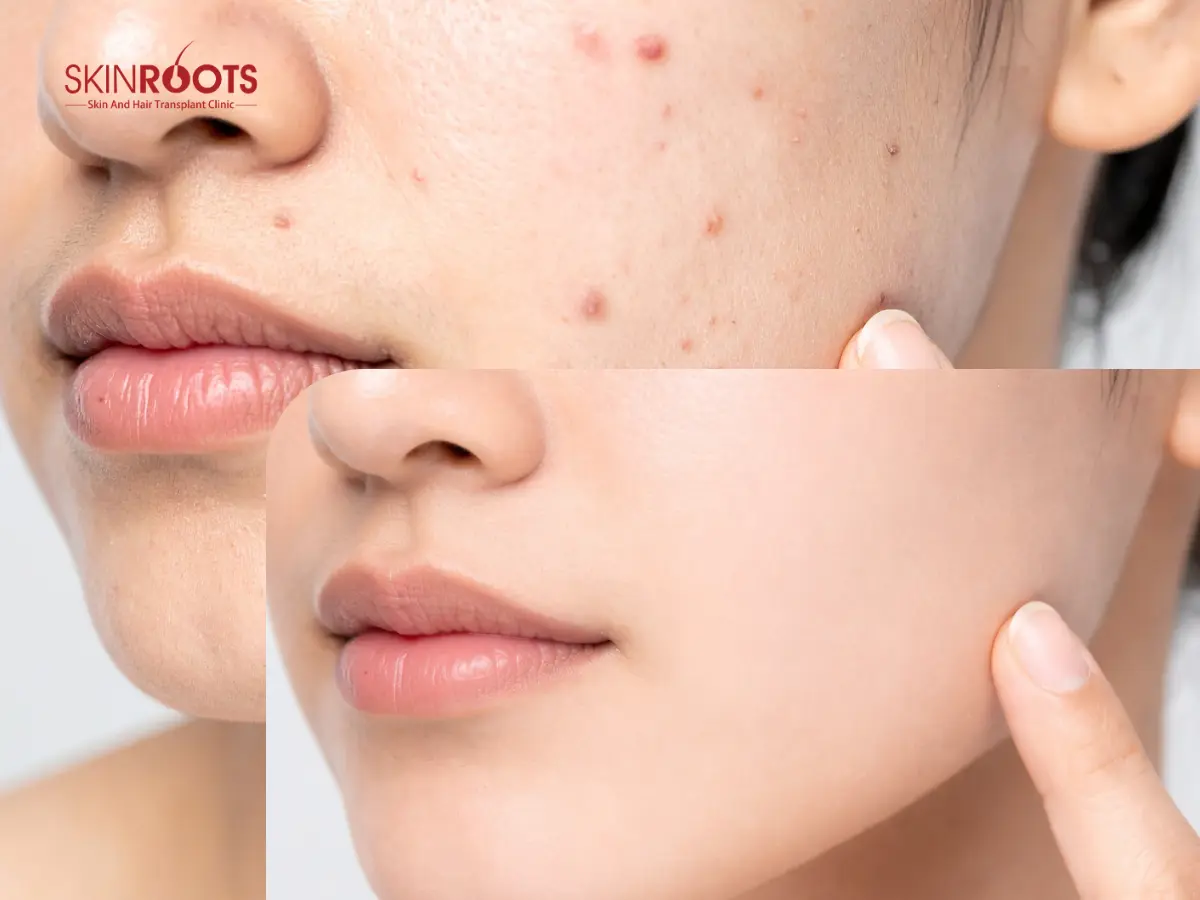
Acne is a common skin condition that usually appears as pimples, blackheads, whiteheads, or even sometimes as painful cysts. It’s a temporary skin condition that can impact confidence as well as overall skin health. Applying creams or following different home remedies can make the acne problem more precarious. That is why consulting a professional dermatologist helps in finding the root cause of the acne, as well as undergoing the treatment that is specially tailored for your skin condition.
Many people who want to visit for acne treatment clinic in Delhi wonder about what the entire clinical procedure looks like. What happens at the first visit? How long does treatment take? What procedures may be necessary? Here in this blog, we will walk you through the entire acne treatment process, covering every step from the initial consultation to the time when you will achieve clear and healthy skin.
Understanding Acne and Why It Happens
Before opting for a treatment, it's crucial to know what acne is and why it occurs. Make sure to remember this before acne treatment.
Acne appears when hair follicles become clogged with too much oil (sebum), dead skin cells, and bacteria. This blockage can provoke various forms of breakouts like blackheads, whiteheads, pimples, and occasionally painful cystic acne, too.
The causes of acne are as follows:
- Hormonal fluctuations.
- Excess oil production.
- Stress and lifestyle habits.
- Certain medications.
- Diet and environmental factors.
- Incorrect skincare products.
There is no one solution to treat acne, as it is caused by different reasons. Hence, going to an acne treatment in Delhi to treat acne-prone skin becomes necessary.
Step 1: The First Consultation with a Dermatologist
The first step to get acne removal treatment generally begins with a consultation with an experienced skin specialist. During this evaluation, the dermatologist examines the condition of your skin and asks various questions about your skin. This facilitates them in understanding the cause of your breakouts.
At SkinRoots Clinic, consultations involve the following:
- A careful analysis of your skin condition.
- Uncover the kind and severity of acne.
- Understand your current skincare routine.
- Discuss your diet plan, stress levels, and lifestyle habits.
- Going through any medication history.
Acne comes in various forms: blackheads, whiteheads, papules, pustules, nodules, and cystic acne. The approach for each type of pimple treatment is slightly different. A professional consultation guarantees the best acne treatment as per your skin type and the severity of acne.
Step 2: Skin Analysis and Identifying the Root Cause
After the skincare specialist examines your skin, the next step is finding the cause of the acne. There are individuals whose acne is due to oily skin or pores, hormonal imbalance, or lifestyle disorders.
A professional skin doctor looks into:
- Oil production levels.
- Skin sensitivity.
- Presence of bacterial infection.
- Pore congestion.
- Symptoms of inflammation or pigmentation.
For a few, particularly those with painful or recurrent acne, further tests might be recommended to eliminate the hormonal abnormalities. This phase is crucial to break the frequent breakouts, thus the best skin specialists work on treating the core cause rather than providing temporary relief to the symptoms.
Step 3: Creating a Personalized Treatment Plan
After diagnosing the root cause, a dermatologist developed a personalized treatment plan as every skin go through different conditions, so does the treatment for a particular skin type's acne.
Generally, the treatment plan is based on:
- Severity of acne.
- Skin type (oily, dry, or combination).
- Acne scars or marks.
- Age and hormonal condition.
- Lifestyle habits.
Patients who are looking for the best acne treatment in Delhi usually seek treatment in a personal clinic as opposed to a generalist clinic. This is the stage where a skin specialist suggests a couple of treatments, such as medications, an effective skincare routine, and professional procedures
Step 4: Starting Medical Treatment
Medical intervention is the initial procedure that many patients undergo to treat active acne.
1. Topical Medications
Topical treatments are applied as a cream or an oil on the skin to reduce inflammation, unclog pores, or hinder bacterial growth.
Topical agents are frequently used in the following cases:
- Retinoids.
- Salicylic acid.
- Benzoyl peroxide.
- Antibiotic creams.
These medications can help gradually lower breakouts and improve skin texture.
2. Oral Medications
A dermatologist prescribes oral medication treatments for moderate to severe acne.
These may include:
- Antibiotics to limit bacterial infection.
- Hormonal treatments for hormonal acne.
- Isotretinoin for severe cystic acne.
These medicines help manage acne internally, while topical treatments target the surface of the skin
Step 5: Professional Acne Procedures
These medicines help manage acne internally, while topical treatments target the surface of the skin Dermatologists often suggest more advanced procedures to accelerate the healing and enhance skin health.
Some Common acne treatments are:
1. Chemical Peels.
Chemical peels remove the outer layer of dead skin cells to help unclog pores. They also brighten skin tone and reduce acne marks.
2. Laser and Light Therapy.
Laser treatments aim to attack acne-causing bacteria, and they also cut down on inflammation. This type of therapy helps in improving the overall skin texture.
3. Comedone Extraction.
This is a procedure in which blackheads and whiteheads are gently removed using professional instruments. Thus, in Comedone extraction, infection is minimized, and a further breakout is reduced.
Specialized guidance is given to all these procedures to make sure they are safe and effective. A lot of patients inquire about the cost of acne treatment in Delhi, but the price varies based on the severity of the acne and the type of treatment that patients need.
Step 6: Treating Acne Scars and Marks
Many patients are left with acne scars or dark marks, even after the acne has healed. These scars can sometimes take longer to treat than acne itself. Worry about these acne scars, patients often look for acne scar treatment in Delhi.
There are a number of cutting-edge procedures in dermatology clinics to remove acne scars.
Some recommended treatments are:
- Microneedling.
- Laser resurfacing.
- Chemical peels.
- PRP therapy.
These treatments stimulate collagen production in the skin, which in turn helps repair damaged tissue and gradually improves a scar's color and appearance. In the long run, these treatments help in smoothing the skin and restoring a more even tone to the skin. But remember that the cost of acne scar treatment in Delhi tends to differ depending on the number of sessions and which treatment you choose.
Step 7: Lifestyle and Skincare Guidance
Effective acne treatment doesn’t end at the clinic. Dermatologists also help patients learn how to care for their skin at home. Keeping a healthy skin care routine can have a major effect in helping prevent future breakouts.
Patients are typically counseled to:
- Apply Gentle, non-comedogenic skincare products.
- Avoid touching or picking up pimples.
- Wash the face with a mild cleanser twice a day.
- Maintain a balanced diet.
- Drink enough water.
- Manage stress levels.
Some people may also require a reduction in foods that trigger breakouts, such as highly sugar-laden or processed foods. Such small lifestyle changes can easily make acne therapy far more effective.
Step 8: Follow-Up Appointments
During those visits, the skincare specialist can:
- Assess how the skin is responding to treatment.
- Tweak the medication dosage.
- If necessary, add further procedures.
- Address any side effects.
Consistency and time management are fundamental at this stage. Most patients begin to experience improvements just 4–8 weeks after the treatment.
Step 9: Maintenance and Long-Term Skin Health
Once the acne comes under control, the final stage comes where the focus is on maintaining the clear skin for the long term.
Maintenance treatments can include;
- Mild topical medications.
- Occasional chemical peels.
- Regular adjustments to skincare routines.
The aim is to avoid future breakouts and to maintain skin health. Dermatologists for acne are also likely to suggest regular skin treatments to maintain proper skin and avoid pore obstructions or overgrowth
Achieving Clear and Healthy Skin
The journey from acne-prone skin to clear, healthy skin takes time, patience, and the right professional guidance. Every step from the initial consultation to maintenance care plays an important role in achieving long-lasting results.
At SkinRoots Clinic, experienced dermatologists focus on personalized treatments designed to address the root cause of acne while improving overall skin health.
If you have been struggling with persistent breakouts, seeking professional help can make a significant difference. With the right treatment plan and proper skincare guidance, achieving clearer, healthier skin is absolutely possible.
FAQ
1. How long does it take for acne treatment to start working?
In most cases, acne treatment needs a little patience. Some people notice small changes in their skin within a few weeks, while for others it may take a bit longer. It really depends on how severe the acne is and how the skin responds to the treatment. Dermatologists usually suggest continuing the routine regularly to see steady improvement.
2. What is the acne treatment cost in Delhi?
The cost of acne treatment in Delhi can be different for every person. Some patients only need basic medication and skincare guidance, while others may require procedures like peels or laser sessions. Because every skin condition is different, doctors usually suggest the treatment plan first and then discuss the estimated cost.
3. Can acne scars be reduced with treatment?
Yes, acne scars can be improved with dermatological treatments. Procedures like microneedling, laser therapy, or chemical peels are often recommended for acne scar for clear skin. These treatments work by encouraging the skin to repair itself and produce more collagen, which slowly improves the appearance of scars.
4. Should I see a dermatologist for acne or try home remedies first?
Home remedies might help with mild breakouts sometimes, but they don’t always solve the actual cause of acne. If the problem keeps coming back or leaves marks on the skin, it’s usually better to consult a dermatologist. A Skin specialist in Delhi can examine your skin properly and recommend the most suitable treatment.
5. What can I do to prevent acne from coming back?
Preventing acne mostly comes down to daily habits. Keeping the skin clean, using suitable skincare products, and avoiding the habit of touching or picking pimples can make a big difference. Dermatologists also suggest maintaining a simple skincare routine and following their advice to keep future breakouts under control.
Have a skin or hair concern?
Reading about a concern is a useful first step. Speak with the Skinroots team to discuss your concern and available treatment options.
Book a ConsultationRelated articles